Uncategorized

A 3D illustration showing a secure HTTPS tunnel that abruptly ends, leaving video data vulnerable to threats, contrasting with a massive, impenetrable golden shield representing comprehensive Multi-DRM video protection.

Video Stream Encryption: Why HTTPS Isn’t Enough for Premium Content

Does HTTPS protect premium video content from piracy? HTTPS encrypts the connection between a server and a browser, protecting data in transit — but it does not protect video content after delivery. Once a stream reaches a viewer’s device, HTTPS … Read More


A high-tech conceptual illustration showing a digital video player generating a glowing digital fingerprint, representing how dynamic watermarking traces stolen content back to an individual user.

Video Watermarking That Actually Identifies Pirates: Dynamic vs. Static Methods

Forensic video watermarking embeds a unique, invisible identifier into every copy of a video at the per-user level. Unlike static watermarks — which apply the same mark to every copy — dynamic watermarking creates an unbreakable chain of evidence that … Read More

“Illustration of WordPress-hosted videos being exposed to piracy through direct links and downloads, contrasted with DRM-encrypted secure video streaming protection.”

WordPress Video Security: Why Self-Hosting Your Courses Is Dangerous

Self-hosting course videos on WordPress exposes your content to direct MP4 URL theft, hotlinking, browser-based download tools, and credential sharing — with zero encryption protection by default. WordPress has no built-in Digital Rights Management (DRM) infrastructure. Security plugins operate only … Read More

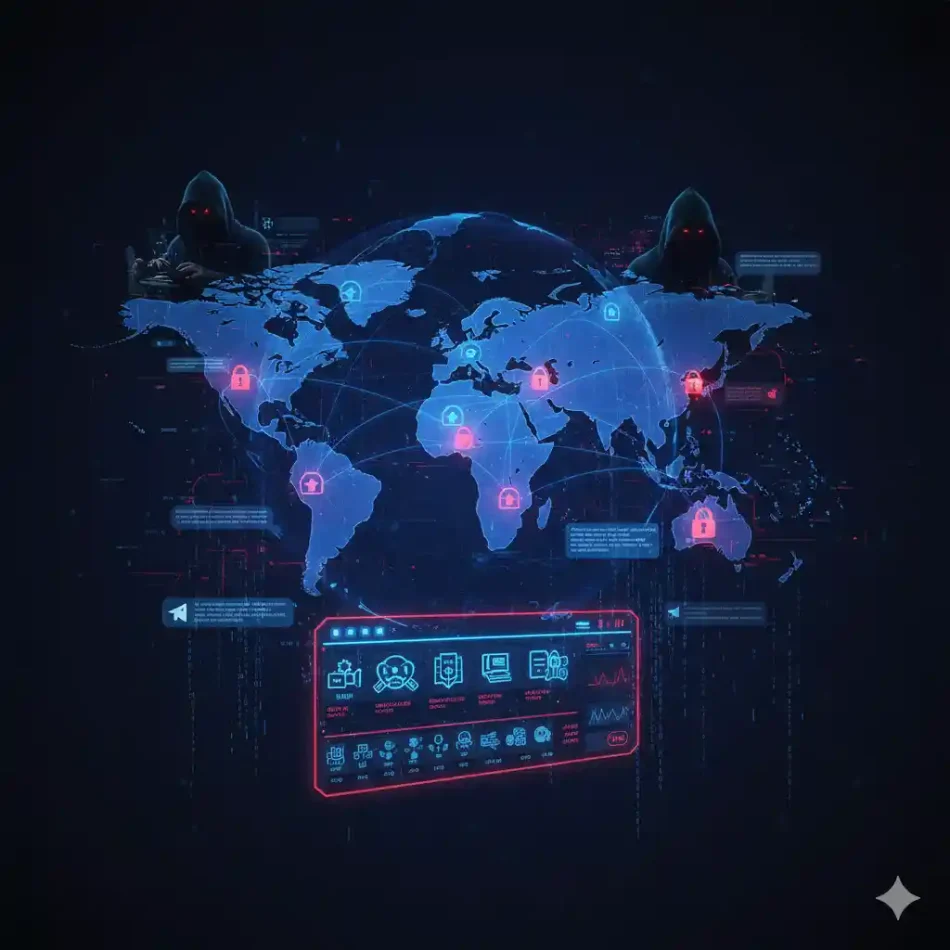
Visualization of a global cybercrime network distributing pirated online courses through encrypted platforms and digital marketplaces

Course Piracy Networks: Understanding the Underground Economy

Course piracy networks are organized criminal ecosystems that systematically steal, repackage, and resell premium digital courses and educational content through dark web marketplaces, Telegram groups, and credential-sharing platforms. These underground economies cost content creators and e-learning platforms an estimated $74 … Read More

Illustration of a single paid account being shared across multiple devices, showing credential abuse and unauthorized access in an online learning platform.

Student Login Sharing: How to Detect and Prevent Credential Abuse

Student login sharing — also called credential sharing or account abuse — occurs when one paying user shares their username and password with multiple non-paying individuals. For online course creators and video platform operators, this silently drains revenue, distorts analytics, … Read More

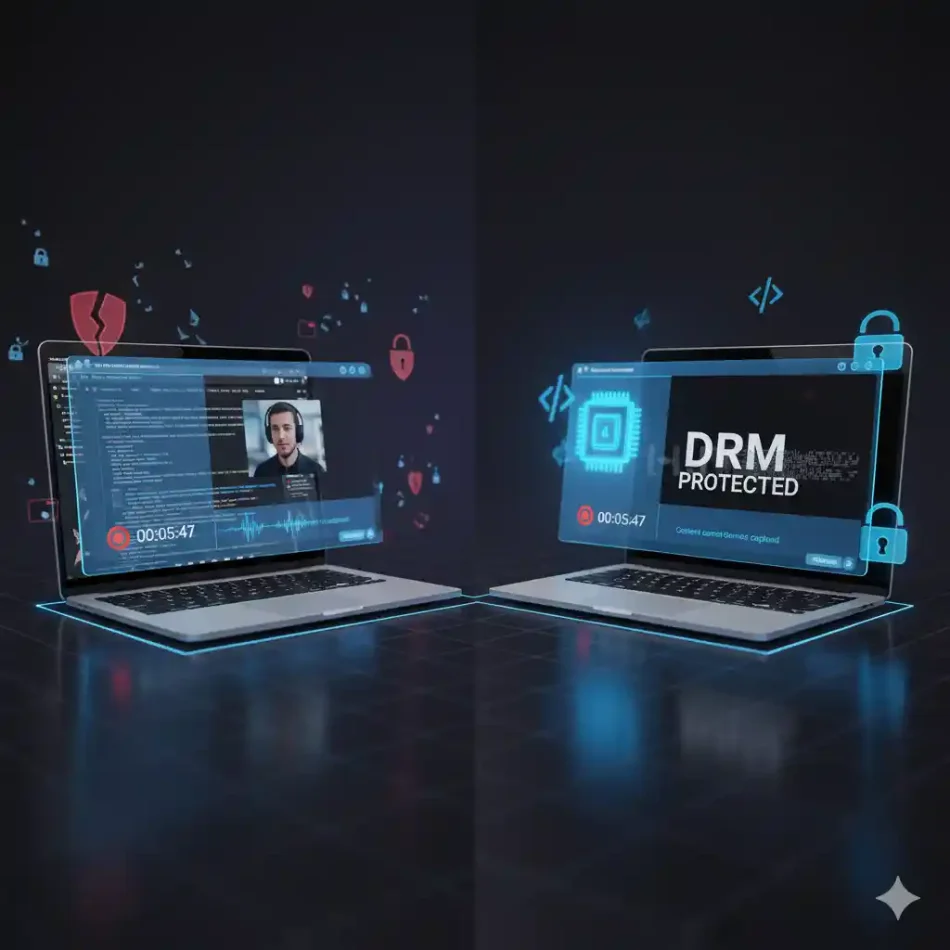
Comparison of screen recording capturing a video versus DRM-protected playback showing a black screen.

Screen Recording Tools vs. DRM Protection: The Technical Truth Course Creators Need

Does DRM stop screen recording? Yes — when implemented at the hardware level. DRM systems like Widevine L1, PlayReady SL3000, and Apple FairPlay force video decryption inside a protected hardware environment (TEE), severing the capture pipeline. Screen recording tools produce … Read More

Illustration of a Chrome extension intercepting a video stream from a browser, showing the difference between unprotected streaming and DRM-encrypted video security.

Chrome Extensions Can Download Your ‘Protected’ Videos: Here’s What Actually Works

Yes — Chrome extensions can download most “protected” videos. When a video plays in a browser, the media stream is technically accessible at the network level, regardless of right-click locks, iframe embeds, or basic token authentication. The only protection that … Read More

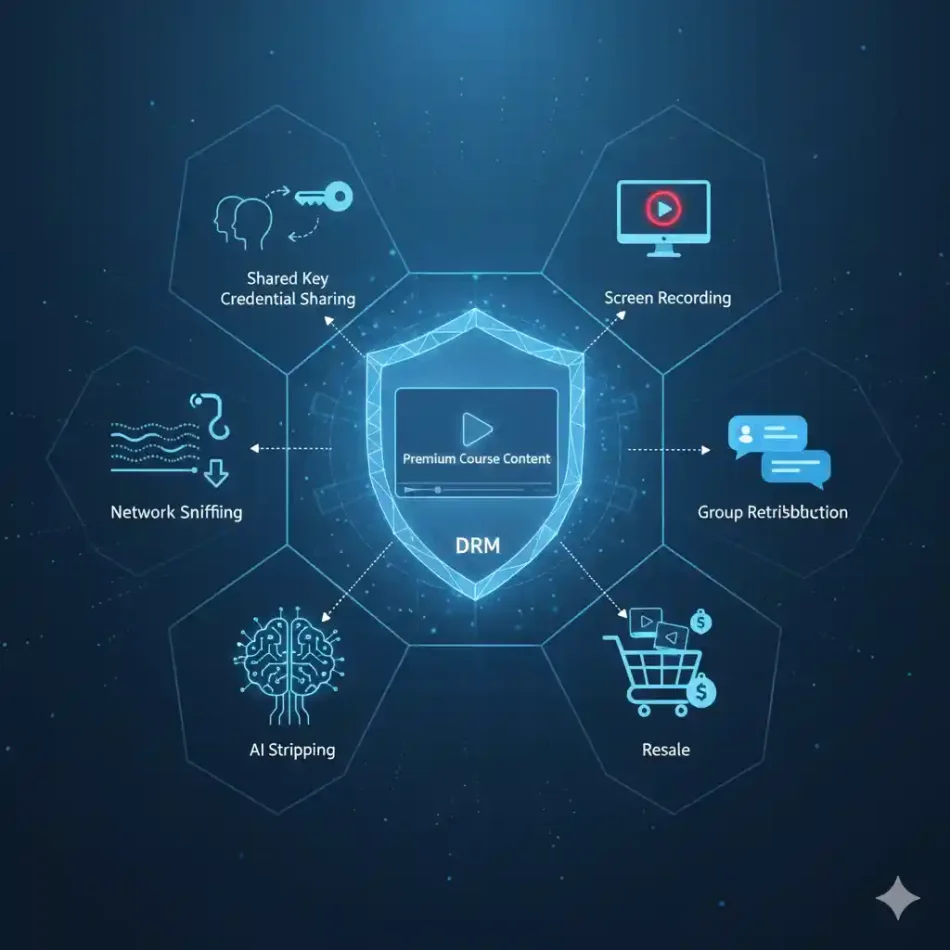
Illustration of online course piracy methods including credential sharing, screen recording, downloading, and redistribution, with DRM protection shield.

Course Piracy Detection: How Online Content Theft Happens and How to Stop It

Course piracy is the unauthorized copying, downloading, redistribution, or resale of paid online course content without the creator’s permission. The most common theft methods include credential sharing, screen recording, direct video downloading via network sniffers, Telegram group redistribution, third-party re-uploading, … Read More

High-tech digital shield protecting premium video course content from AI piracy threats.

Prevent Content Theft: AI Security for Creators

AI security for creators combines DRM encryption, dynamic watermarking, and AI-powered threat detection to stop AI-driven piracy, including the screen-recording bypasses and watermark-removal tools now used in most attacks. Multi-layer architectures that combine several independent defenses are what actually reduce … Read More

A glowing digital shield protecting a video player on a laptop screen, representing unbreakable video security.

WordPress Video Security That Works

WordPress video security that works requires more than a plugin that hides download buttons. It needs file-level encryption (DRM), because browser-based protection cannot stop screen recording, developer tools, or direct URL access. Real protection comes from dedicated DRM platforms, not … Read More